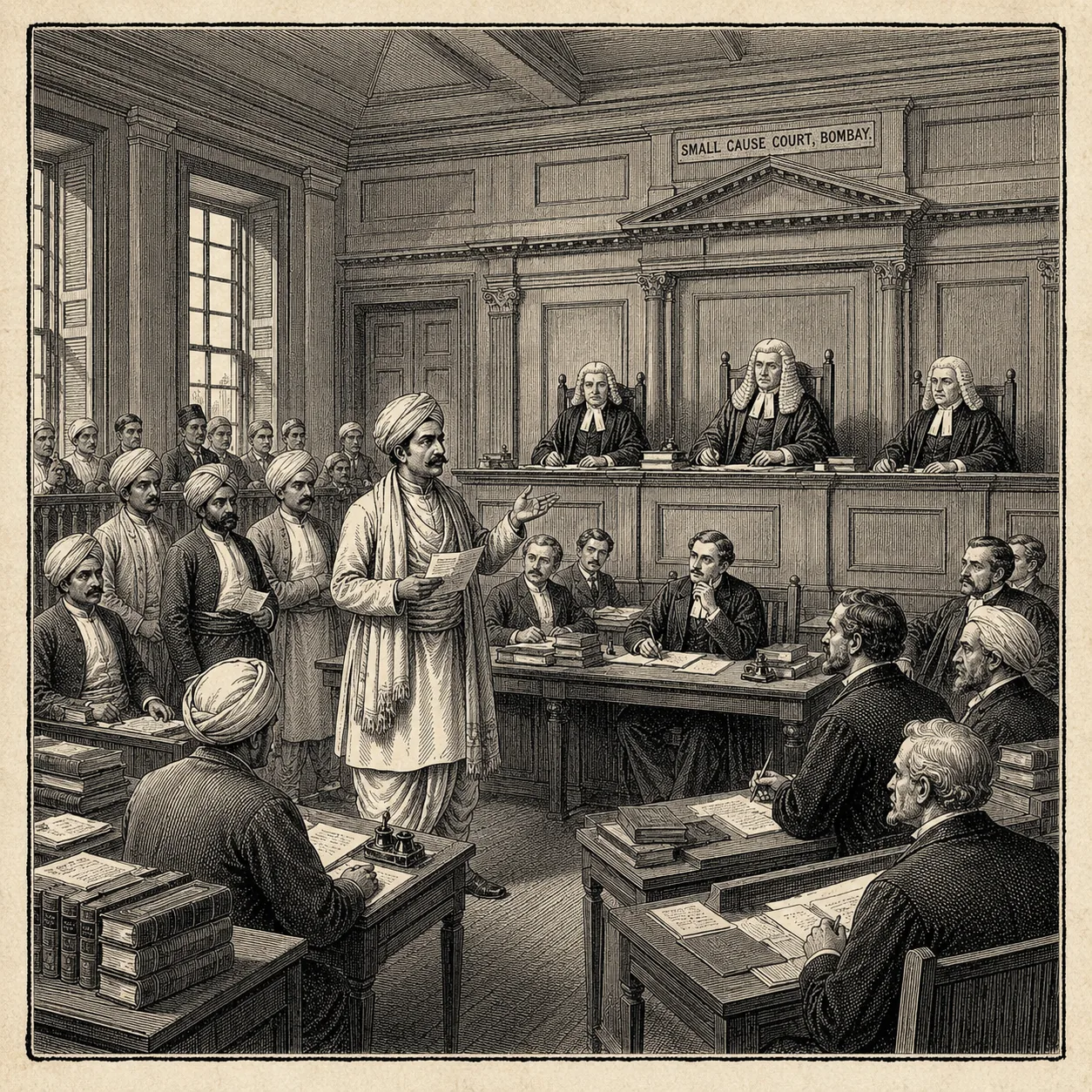
SMALL CAUSE COURT OF BOMBAY
By the mid-1850s, getting legal help in Mumbai could be expensive. European barristers dominated legal practice, putting professional representation beyond the reach of many poorer Indians.
Nana had already helped establish the Perry Professorship of Jurisprudence in 1855, creating a path for Indians to receive formal legal education. By 1860, a new generation of Indian lawyers was appearing in the Small Cause Court, charging affordable fees and breaking the European monopoly.
Then came a new threat. In 1862, legislation was introduced in the Legislative Council that failed to give these Indian lawyers legal recognition or fee protection. Without that protection, European judges could effectively decide whether they were allowed to practise.
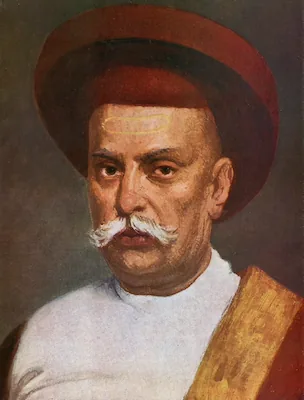
Nana saw what was at stake. He introduced an amendment to protect the lawyers' rights. When Sir W. Mansfield argued that recognising native lawyers would “trivialize the law,” Nana responded with evidence from Calcutta showing why Indian lawyers were essential, particularly for poorer people. He pushed the amendment through.
Nana had helped create the lawyers' path into the courtroom, and then fought to make sure they were allowed to stay there.
A profession that had barely begun to emerge now had legal recognition.