The podcast, on video, in photographs, and how his name lives in the transit and spaces of Mumbai
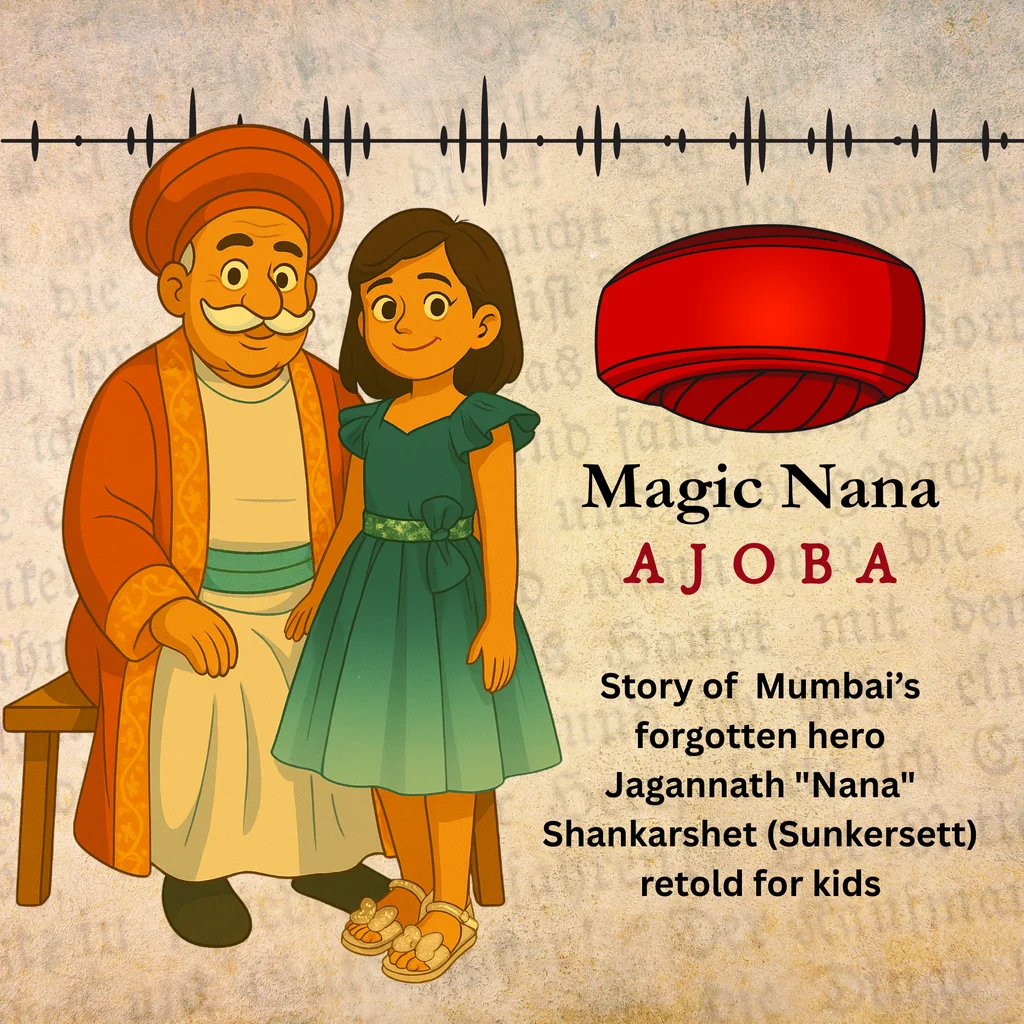
Magic Nana Ajoba
Created by Thea Sunkersett, Nana's seventh-generation descendant, when she was 8 years old.
Magic Nana Ajoba brings to life the story of Jagannath “Nana” Shankarshet (Sunkersett)—Mumbai's unsung builder of schools, trains, laws, and legacy. Hosted by Thea and her parents, the family-friendly podcast combines playful storytelling, rich sound design, and big ideas about history, social reform, and Mumbai.
Historical lectures & biographical videos
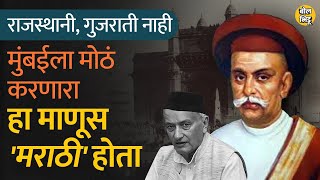
High-production digital journalism examining his immense commercial power, his financing of early infrastructure, lending to the East India Company, and his role as the true architect of Bombay.
WATCH ON YOUTUBE ↗
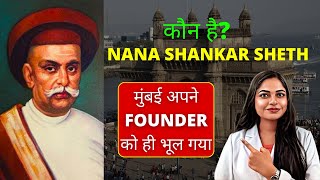
Accessible biographical overview in Hindi/English detailing his partnership with Jamsetjee Jejeebhoy, educational trusts, and civic institution building.
WATCH ON YOUTUBE ↗
Biographical video covering his merchant career, public trusts, and the first railway engine trial in 1853.
WATCH ON YOUTUBE ↗
Detailed 23-minute lecture covering his legislative bills (1862–1865), Board of Education debates, and Sati petitions.
WATCH ON YOUTUBE ↗
A deep 1-hour analytical masterclass covering archival primary sources, his educational societies, and the Great Indian Peninsula (GIP) Railway foundation.
WATCH ON YOUTUBE ↗
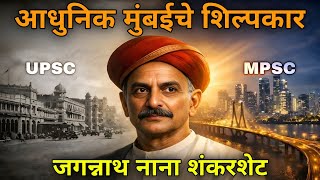
Comprehensive competitive exam revision session on 19th-century social reform institutions.
WATCH ON YOUTUBE ↗Examines the civic partnership between Shankarshet, Jamsetjee Jejeebhoy, and Dr. Bhau Daji Lad.
VIEW LECTURE ↗Multi-episode biographical radio play depicting the 1853 railway run and municipal council debates.
Stage play documenting his defense of indigenous theatre and founding of the Grant Road Theatre with Vishnudas Bhave.
Complete dramatic unabridged audiobook reading of Gangadhar Gadgil's biographical epic novel.
LISTEN ↗Archival Images
Awaiting photos. Drop images in the photos/ folder at the project root — see photos/README.md for the shot list.
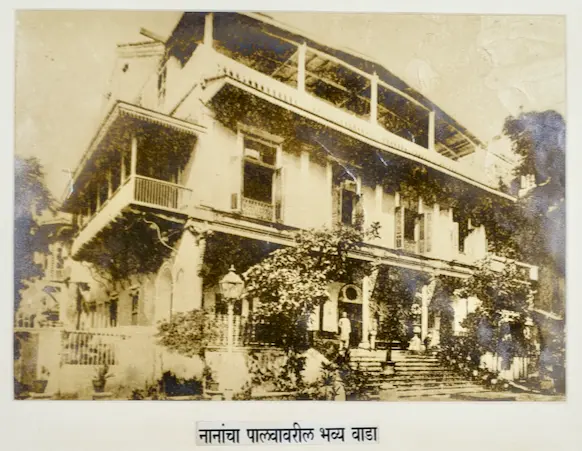
The historical wada mansion of Jagannath Shankarshet in Girgaum, Bombay.
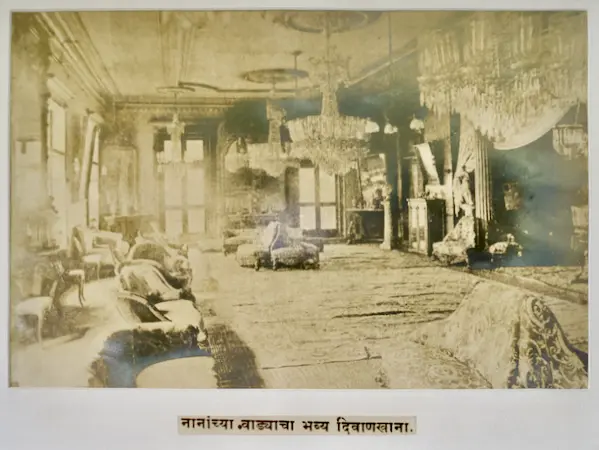
The ornate diwan-khana (audience hall) in the Girgaum wada, where early civic meetings took place.
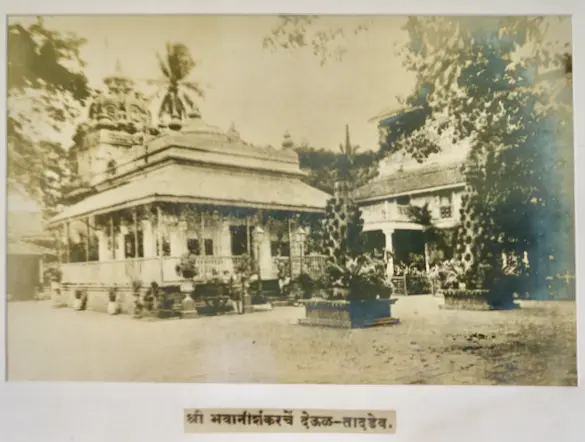
The historic Bhavani Shankar Temple in Tardeo, co-founded by Nana Shankarshet in 1806.
Dedicated subject books & monographs
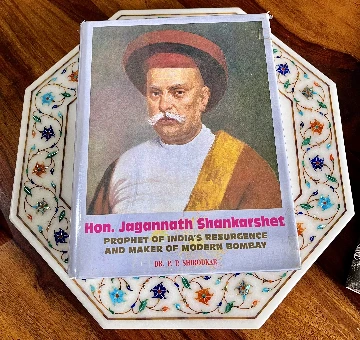
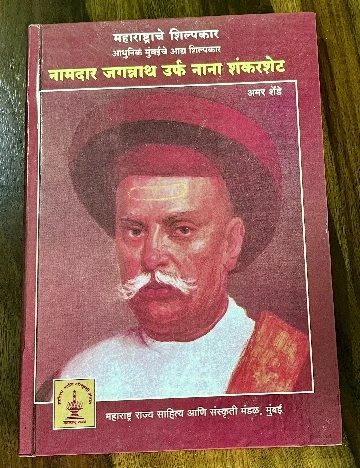
Standard 570-page 20th-century biography covering genealogy, business partnerships, civic trusts, and institutional investments. (OCLC: 21877484)
Sahitya Akademi Award-winning epic novel dramatizing Nana Shankarshet's life, native diplomacy, and 19th-century Bombay (1818–1865). (ISBN: 9788123745725)
The definitive 3-volume compilation containing original minutes, government correspondence, legislative bills, and speeches from the Directorate of Archives. (ISBN: 9788175256033)
Modern state-commissioned biography inducted into academic reference curricula across Maharashtra universities. (ID: MSBCL-2024-BIO)
Colonial-era compilation of verbatim speeches in the Bombay Legislative Council, municipal boards, and railway committees. (British Library IOR/V/9)
Earliest published biographical monograph covering his public standing and civic leadership. (Call No: ASM-RB-1903-OK)
Centenary volume featuring tributes and analytical essays by leading 1960s historians on his socio-political legacy.
Analyzes his ancestral Konkan lineage (Murkute family of Murbad), maritime trade, and Girgaon land endowments.
Bicentenary biographical record focusing on private trusts, Bhavani Shankar temple, and the Sonapur crematorium defense.
Focuses on Sati abolition petitions alongside Raja Ram Mohan Roy, girl-child education, and municipal building regulations.
Textbooks & urban histories
Module: Our Local Heritage & Leaders; early municipal foundations.
Section: Urban Centers in Maharashtra; 19th-century Bombay planning.
Chapter 5: Social & Religious Reforms; girl-child schools and Native Education Society.
Chapters 3 & 6: Applied History & Mass Media; 1853 railway inception.
Unit 2: Renaissance in 19th-Century Maharashtra; Bombay Association (1852).
Module 3: The Shettia Elite; legislative mediation & institutional building.
Documents Nana's leadership in GIP Railway, Elphinstone College, and urban design.
Foundational academic text defining the political influence of the Shettia elite.
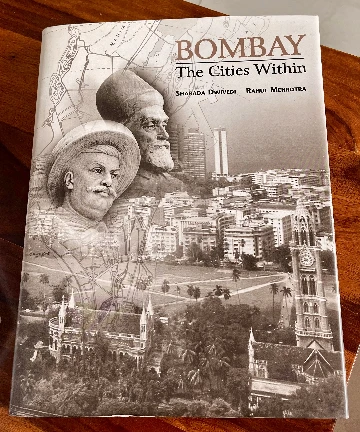
Tripartite alliance founding Victoria & Albert Museum (Dr. Bhau Daji Lad Museum).
Detailed analysis of the Bombay Association (1852).
Details founding of Grant Medical College (1845) and native dissection funding.
Founding Fellow of University of Bombay (1857) alongside John Wilson.
Primary administrative records of land acquisitions, cemetery deeds, and council acts.
19th-century eyewitness account of Nana's estate, charities, and public standing.
Doctoral theses & academic papers
Comprehensive study of original council minutes, EIC petitions, and legislative records.
Established the political theory of the Shettia elite in 19th-century Bombay.
Analyzes Nana's role during the 1857 unrest and Board of Education funding.
Documents Nana overcoming orthodox opposition to anatomical dissection.
Analyzes the growth of public opinion, early socio-political reforms, and native leadership in 19th-century Bombay.
Focuses on institutional philanthropy, girl-child education, and public libraries.
Examines the civic-colonial project led by Committee President Juggonath Sunkersett.
Highlights Nana's legal defense of native landowners against British acquisition.
Analyzes Western India's first political association founded by Shankarshet.
Examines native contributions to medical education, public health infrastructure, and Grant Medical College funding.
Details how Shankarshet and Jejeebhoy negotiated rights-of-way and capitalization.
Curated 19th-century colonial press articles & primary debate records
Primary source press records from the colonial era
| Newspaper | Period | Language | Key Coverage | Archive & Access |
|---|---|---|---|---|
| The Bombay Gazette Primary Anglo-Indian daily in the Bombay Presidency |
1789–1914 | English | 1844–1853: Reports on GIP Railway committee meetings, share capital subscriptions, and the April 16, 1853 inaugural train journey; 1852: Proceedings of the public meeting establishing the Bombay Association; 1862–1865: Legislative debates on the Municipal Act and the Sonapur Hindu burning grounds defense. | British Library (Colonial Newspapers); Asiatic Society of Mumbai microfilms; British Newspaper Archive |
| The Times of India Prominent commercial & political daily |
1838–Present | English | August 1865: Extensive front-page editorial and retrospective obituary hailing him as the "Foremost Native Citizen of Western India"; coverage of Town Hall citizens' memorial meetings to commission his marble statue. | Times of India Historical Archive; National Library of India; Microfilm reels at Mumbai University |
| Darpan (दर्पण) First Anglo-Marathi newspaper, founded by Balshastri Jambhekar |
1832–1840 | Bilingual: Marathi & English | 1830s: Editorials championing female education, reporting on the schools founded on Nana's private property in Girgaon; speeches and funds raised for the Bombay Native Education Society and Elphinstone Institution. | Asiatic Society of Mumbai; Reprinted in Balshastri Jambhekar: Kaal aani Kartrutva (V. G. Joshi); Internet Archive |
| Native Opinion Founded by Vishwanath Narayan Mandlik (Nana's protégé) |
1864–1906 | English & Marathi | 1864–1865: Detailed reporting of Nana’s speeches in the Bombay Legislative Council opposing arbitrary colonial water taxes and sanitation levies; August 1865: Commemorative essays detailing his 40-year philanthropic legacy. | PMML, New Delhi; Mumbai Marathi Granth Sangrahalaya; Mumbai University Library |
| Bombay Samachar Oldest continuously published newspaper in Asia |
1822–Present | Gujarati | 1830s–1860s: Commercial market notices, bullion and real estate transactions, joint public charity appeals with Sir Jamsetjee Jejeebhoy, and municipal water tank donations. | Mumbai Samachar Archives, Horniman Circle, Fort, Mumbai; K. R. Cama Oriental Institute |
| Dnyanodaya (ज्ञानोदय) American Marathi Mission journal |
1842–Present | Marathi & English | 1840s–1850s: Debates on modern vs. traditional indigenous education, coverage of Grant Medical College dissection controversies, and reports on Shankarshet's funding of Sanskrit study. | United Theological College Archives, Bengaluru; Open-access digitization on Internet Archive |
| Bombay Legislative Council Minutes Official legislative proceedings of Hon. Juggonath Sunkersett |
1862–1865 | English | Verbatim speeches on local municipal taxation, sanitation levies, Sanskrit education funding, and commercial dock facilities. | Maharashtra State Archives (Elphinstone College); British Library (IOR/V/9) |
Major public debates documented in the 19th-century press
The Bombay Times and colonial editorials carried discussions surrounding allegations against native leaders. Nana Shankarshet actively wrote and coordinated with the Governor (Lord Elphinstone) to protect innocent citizens and maintain peace in Bombay.
The colonial government attempted to close down the Hindu cremation grounds at Girgaon/Marine Lines on sanitary grounds. Press coverage in The Bombay Gazette documents Nana purchasing adjacent land with his own funds and renovating it to satisfy sanitary inspectors, preserving religious rites in South Bombay.
Commercial columns in the Bombay Times document his role in floating shares, convincing hesitant Indian merchants to invest in railway infrastructure, and acquiring land rights between Bori Bunder and Thana.
Debates in the newly established Legislative Council documenting Nana's verbatim speeches opposing arbitrary local taxes, sanitation levies, and water rates on poor citizens, as well as arguments for educational funding and dock facilities.
Key historical repositories & digital archives
Fully OCR-searchable scans of The Bombay Gazette and The Times of India from 1800 to 1900 under search query "Juggonath Sunkersett" or "Nana Sunkersett".
Visit Archive →Houses bound physical volumes and microfilms of Darpan, Bombay Gazette, Bombay Chronicle, and Native Opinion in the Town Hall library collections.
One of the largest archives of 19th-century Marathi and Anglo-Marathi periodicals in India, located at Naigaon, Dadar.
The Times of India historical database (1838–2010), available via major university library portals (Mumbai University, JNU, Delhi University, etc.) and international academic institutions.
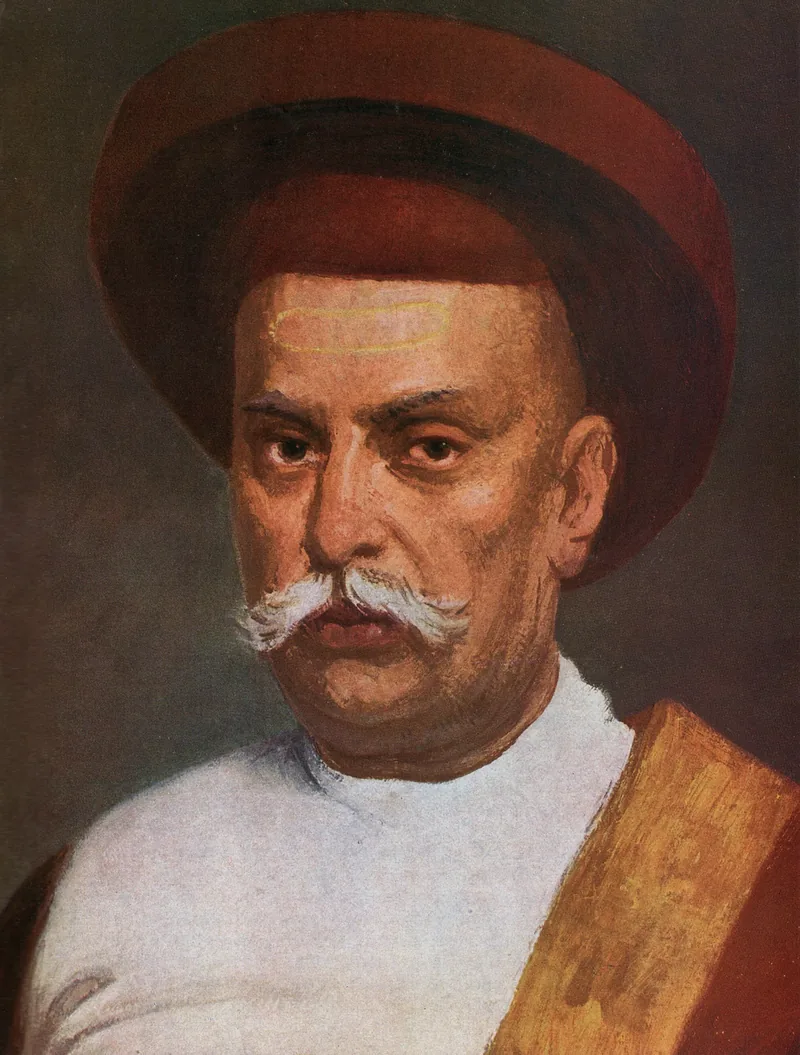
Visit Archive →real, labeled “Nana Shankarshet, c. 1863”
Social & Digital Discovery
Social media niches, keywords & online narratives
Social Heritage & Community Channels
High-resolution image essays and video reels documenting Girgaon Wada, Bhavani Shankar Temple, and CST heritage.
Instagram & Content Channels
Facebook & Community Archives
Forums, Essays & Digital Discussions
Discussion forums analyzing the 1857 Mutiny defense, civic contributions, and station renaming movements.
Forums & Discussion Spaces
Recurring Digital Stories
1. The 1853 First Train Journey
The landmark run from Bori Bunder to Thane where Nana sat alongside Jamsetjee Jejeebhoy on the GIP Railway
2. The Sonapur Crematorium Stand
Nana's resolute defense of indigenous religious rights and civic sanitary reform in Marine Lines
3. The Mumbai Central Station Renaming Movement
The ongoing legislative and public efforts to rename the terminus to honor Nana's role as founder of the railway.