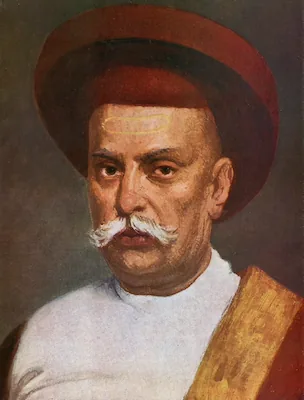
Nana Portrait Seal
NANA
SHANKARSHET
(SUNKERSETT)
1803 — 1865
EN | मराठी
ASK THE ARCHIVE  →
A BOMBAY STORY

The Fights

Chronicle of legislative battles and social reforms advocating civil rights, racial equality, and communal harmony

Fiercely advocating for civil rights, racial equality, and communal harmony under colonial rule.
Jagannath shankarshet Portrait
A documented chronicle of Nana Shankarshet's legislative battles and social reforms.
— Sonapur —

THE DEFENSE OF SONAPUR

Twice protecting the sacred Hindu cremation ground from colonial closure

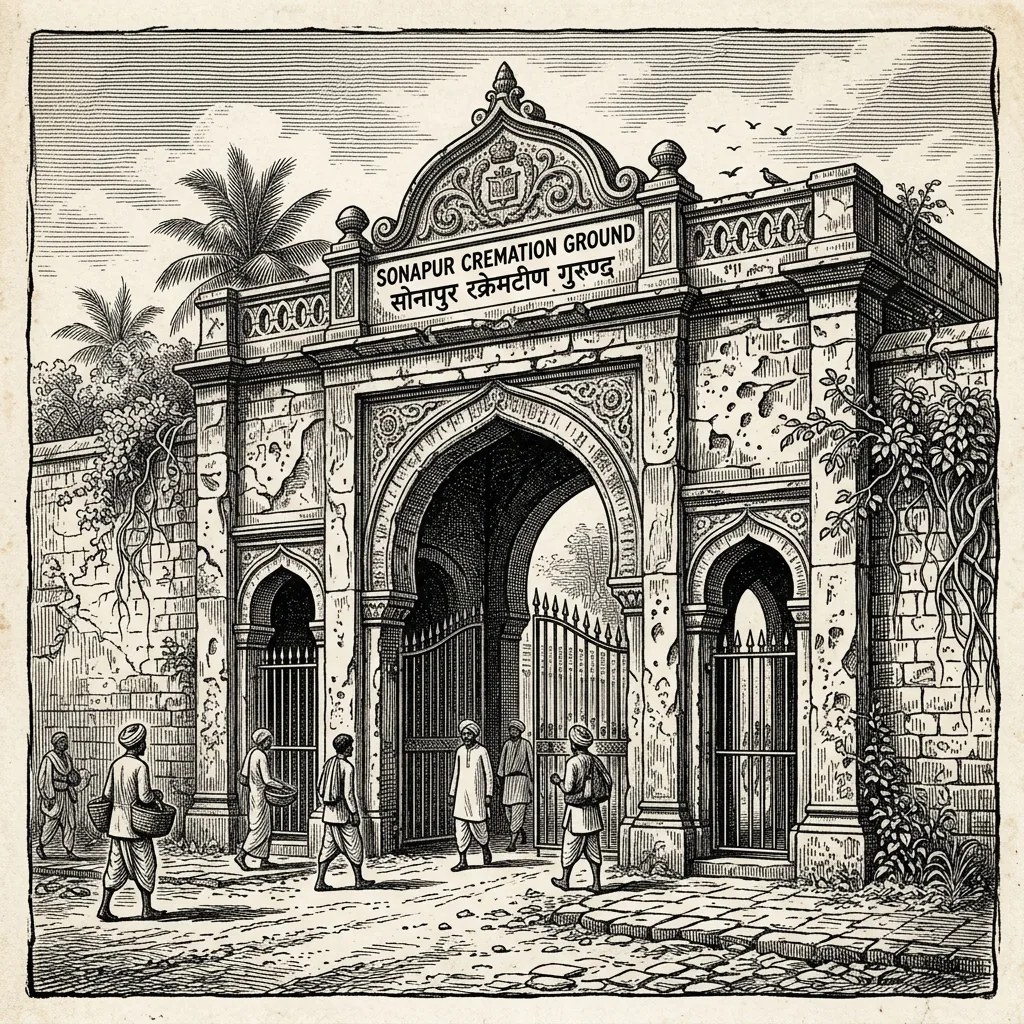
Sonapur Cremation Ground Gate

SONAPUR CREMATION GROUND GATE
Original stone facade and memorial bust at Marine Lines

PROTECTOR OF FAITH ✓ Verified Research

When colonial authorities attempted to shut down the historic Sonapur cremation ground at Marine Lines, Nana did not simply debate them in council chambers. He mobilized thousands of local Koli fishermen, leading a peaceful protest march directly to the Governor's Parel mansion to safeguard their sacred ground forever.

Still Standing Still Open, 170 Years On - The Chandanwadi Crematorium in Marine Lines, saved by Nana in 1855, still serves Mumbai's families today.
— Sheshadri Case —

THE RESCUE OF SHRIPAT

India's first landmark legal battle over minor custody and reconversion

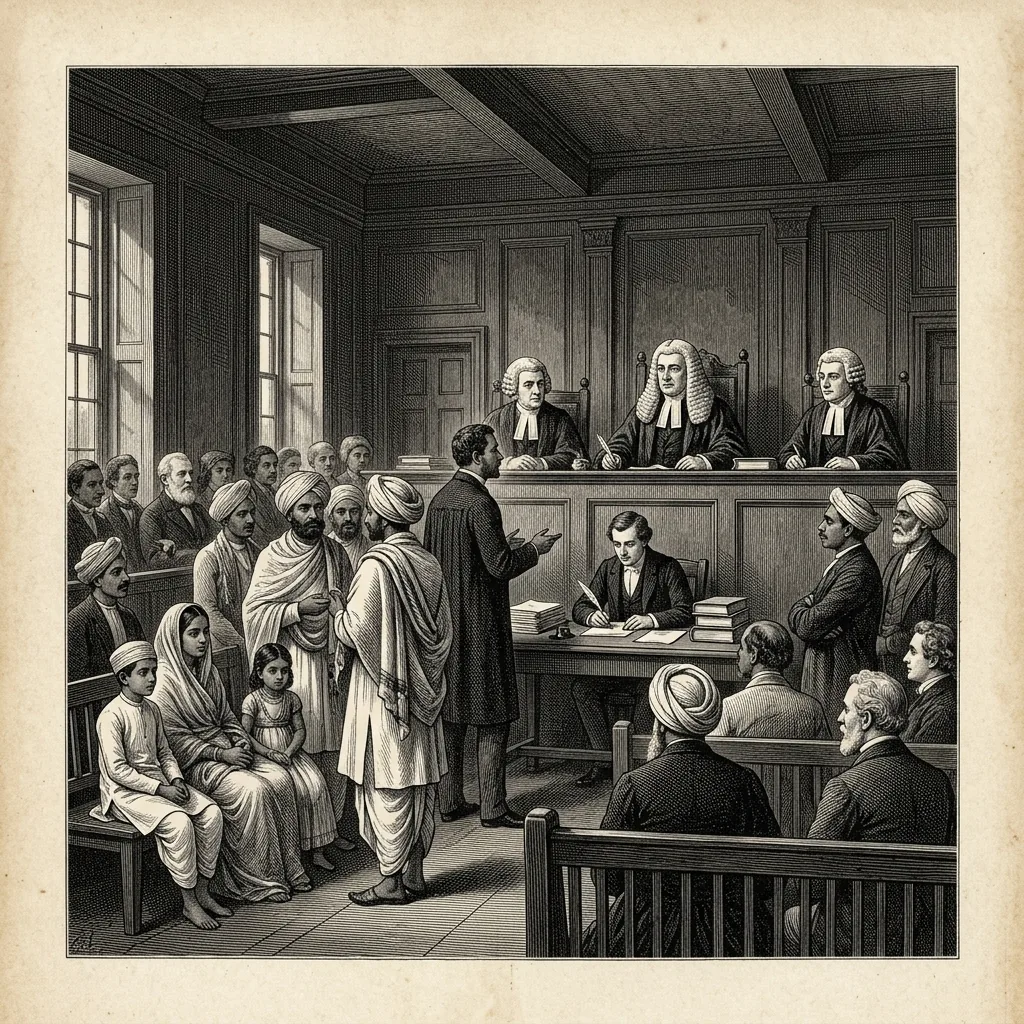
Supreme Court Of Bombay (1842)

SUPREME COURT OF BOMBAY (1842)
Archival sketches and Habeas Corpus legal case records

CHAMPION OF RELIGIOUS FREEDOM ✓ Verified Research

When Christian missionaries in 1842 refused to return a converted Brahmin minor to his family, Nana filed a historic Habeas Corpus petition in the Supreme Court to rescue the child. He then defied the orthodox Hindu establishment by organizing the first-ever formal purification ritual (Shuddhikaran) to welcome the boy back into society.

First in History First Shuddhikaran Under British Rule - In 1843, Nana defied both missionary authority and orthodox Brahmins to arrange the first documented reconversion ceremony in colonial India.
— 1851 Riot —

HOLDING THE PEACE

Mediating the 1851 Parsi-Muslim riots to save Mumbai from civil war

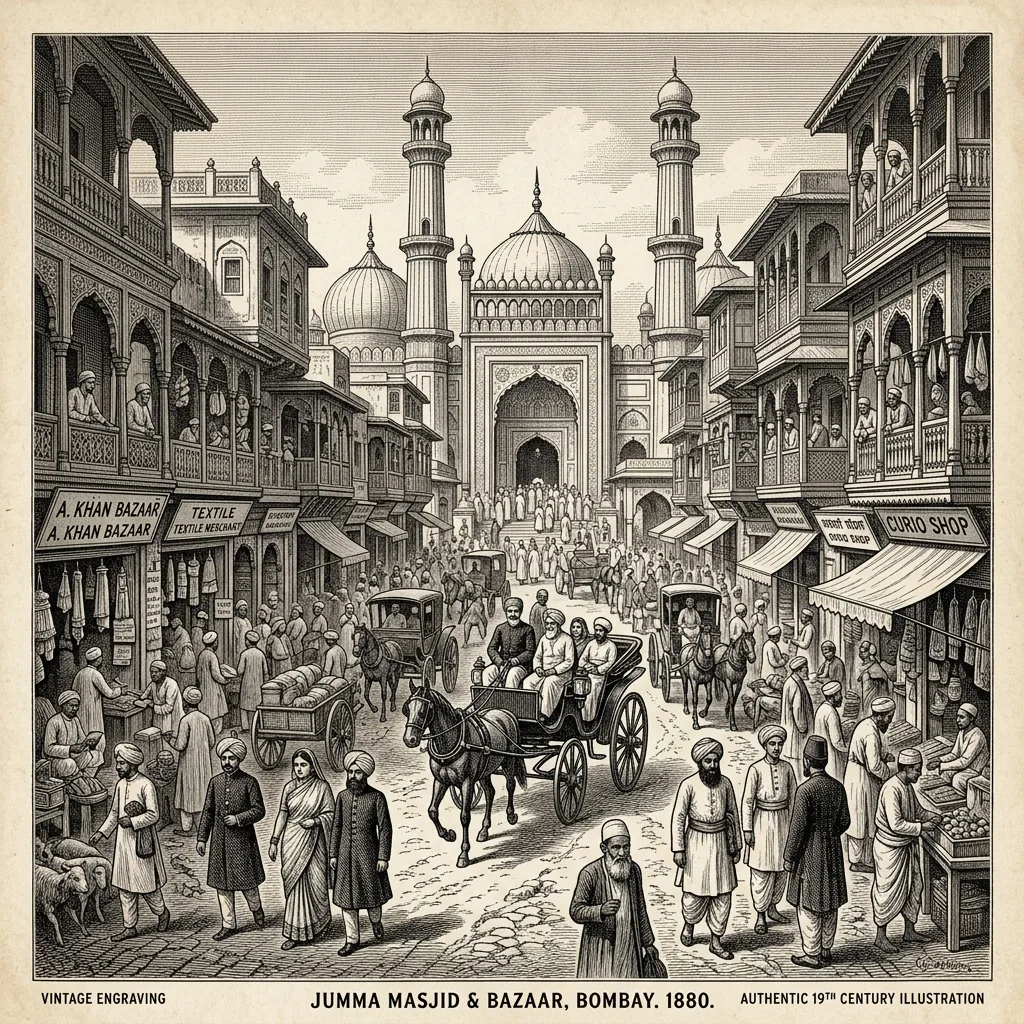
Jumma Masjid Area, Bombay

JUMMA MASJID AREA, BOMBAY
Historical drawings of 19th-century commercial zones

PEACEMAKER OF BOMBAY ✓ Verified Research

When a violent communal riot erupted in 1851 between Parsis and Muslims over a printing error, British authorities lost control of the streets. Nana personally patrolled the neighborhoods to keep the Hindu majority neutral, then brokered peace by leading a historic 18-carriage reconciliation convoy through the city.

For Scale 700 Police. 700,000 People - When riots broke out in 1851, Bombay had 1 police officer for every 1,000 citizens. Nana stepped into that gap personally.
— Pandharpur —

PANDHARPUR REFORMS

Negotiating epidemic access and pushing to open Vitthal temple to all castes

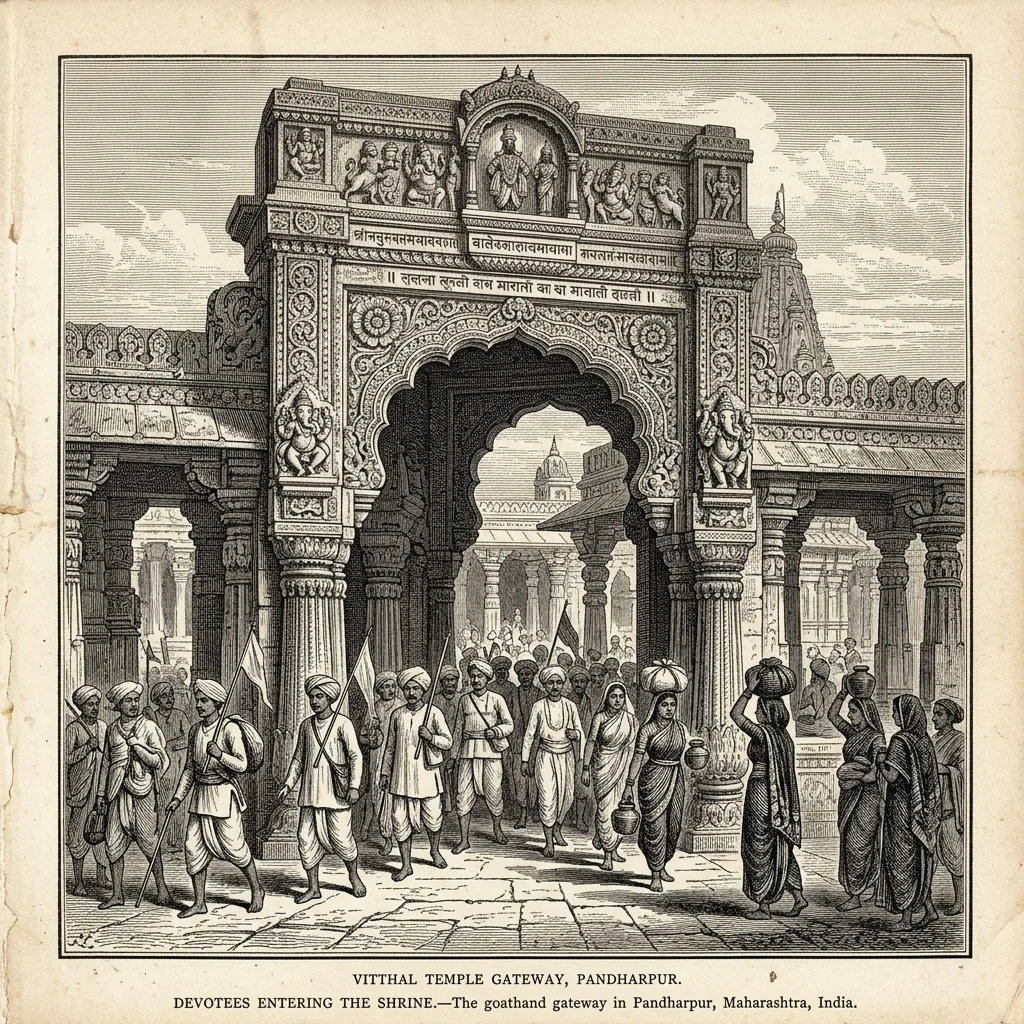
Vitthal Temple Entrance, Pandharpur

VITTHAL TEMPLE ENTRANCE, PANDHARPUR
Historic pilgrimage gateway and sacred shrine

ADVOCATE FOR EQUALITY ✓ Verified Research

Nearly eighty years before the famous temple entry movements of the 1920s, Nana initiated a historic fight to open the inner sanctum of Pandharpur's Vitthal Temple to non-Brahmins. He also used his influence with the Governor to lift a British ban on divine viewing (devdarshan) by organizing safe sanitation measures for pilgrims.

First in History 80 Years Before Vaikom - The Vaikom Satyagraha of 1924 became India's most famous temple entry campaign. Nana began the same fight at Pandharpur roughly 80 years earlier.
— Sati & Famine —

ABOLITION AND RELIEF

Co-signing the anti-sati petition and leading 5,000 citizens for famine relief

Historic Signature Collection (1823/1856)

HISTORIC SIGNATURE COLLECTION (1823/1856)
Anti-Sati petition co-signature and Parel Government House facade

DEFENDER OF THE MASSES ✓ Verified Research

From co-signing the historic 1823 petition to ban Sati alongside Raja Ram Mohan Roy, Nana's public advocacy spanned his entire life. When the ban was enacted in 1829, he toured the province to moralize the law, ensuring Mumbai remained completely peaceful while Bengal erupted in protest.

Decades later, during the devastating famine of 1856, he led a march of 5,000 starving citizens directly to the Parel Government House. This unprecedented mass mobilization forced the British administration to acknowledge the crisis and release emergency relief funds.

Against the Odds Against Both Empires - To fight Sati, he defied orthodox Hindu tradition. To fight the famine, he marched against British colonial neglect. Nana's entire life was a two-front battle.
— Shackles —

EQUAL PUNISHMENTS

Fiercely opposing racial discrimination and exemptions in penal chaining

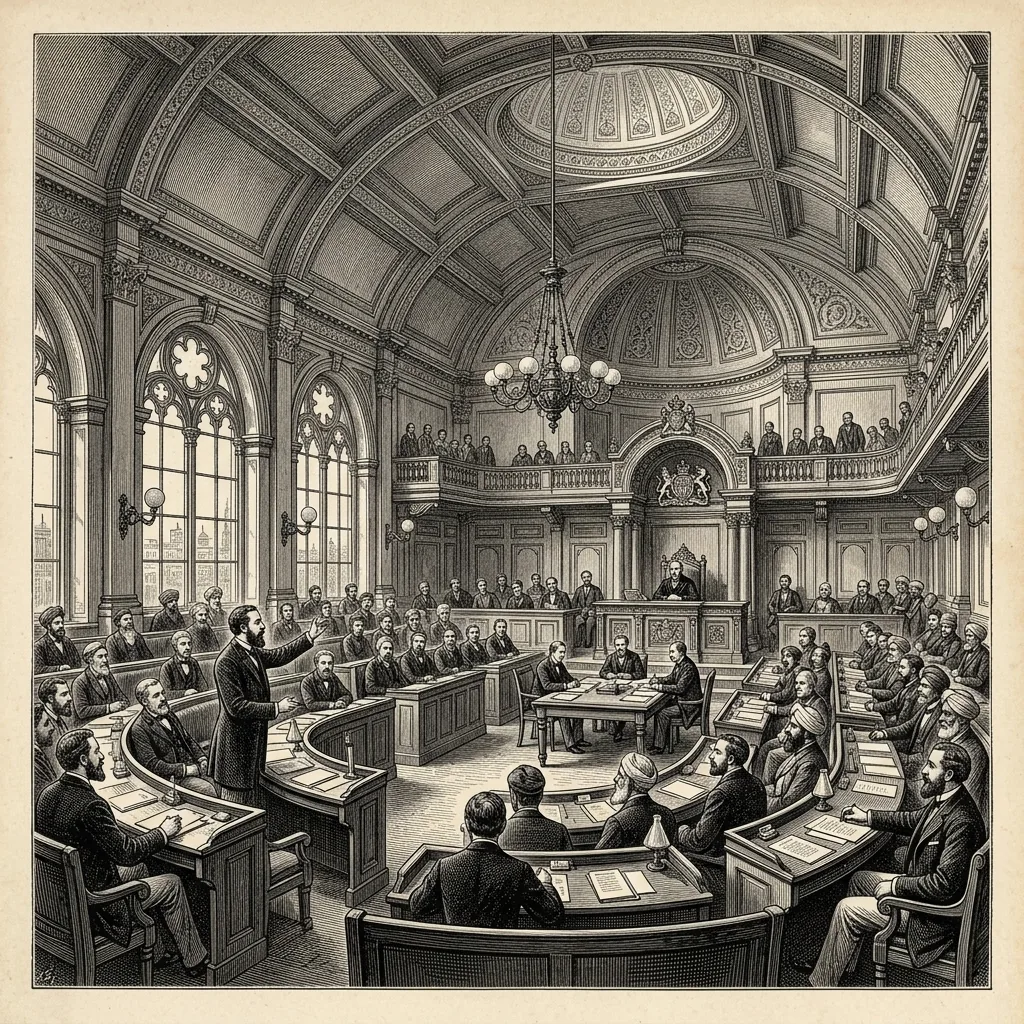
Bombay Legislative Council Chambers

BOMBAY LEGISLATIVE COUNCIL CHAMBERS
Architectural sketch of early legislative assembly

CHAMPION OF EQUAL RIGHTS ✓ Verified Research

When the British Commander-in-Chief proposed a racist amendment in 1862 to exempt European prisoners from wearing heavy iron shackles, Nana stood alone in the Legislative Council to oppose it. He fiercely argued for absolute equality of punishment under the law, setting a powerful early precedent against judicial racism.

Against the Odds He Knew He Would Lose. He Stood Anyway - In 1862, Nana challenged the colonial racial hierarchy in the Legislative Council. He lost 5 to 4. But the argument for equality was now in the official record, 21 years before the Ilbert Bill.
— 1857 Mutiny —

ACCUSED, AND VINDICATED

Confronting false treason charges to emerge as a trusted stabilizing advisor

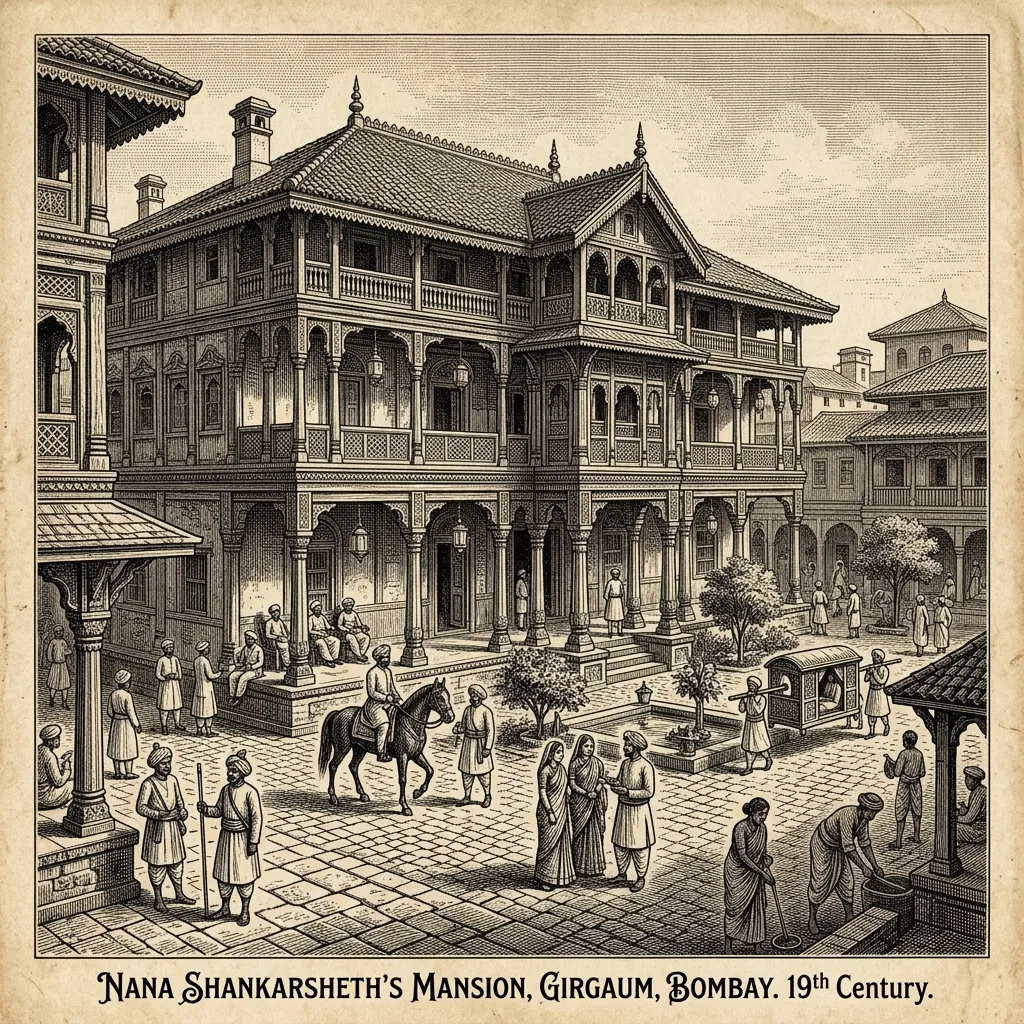
Nana's Girgaum Mansion

NANA'S GIRGAUM MANSION
Historic headquarters of the Shankarshet estate and charity offices

VINDICATED LEADER ✓ Verified Research

Accused of treason by paranoid British officials during the 1857 Uprising, Nana refused to cower and successfully forced the formal withdrawal of all charges. The colonial administration was ultimately forced to turn to him as a peace advisor, proving his influence in the city rivaled their own.

Against the Odds Accused of Treason. Emerged as an Advisor - During the 1857 Uprising, British officials accused Nana of funding rebels. He forced the formal withdrawal of every charge, and the colonial administration then turned to him for advice on maintaining peace.
— Grand Jury —

GRAND JURY CAMPAIGN

A grueling six-year struggle to break the European monopoly on J.P. appointments

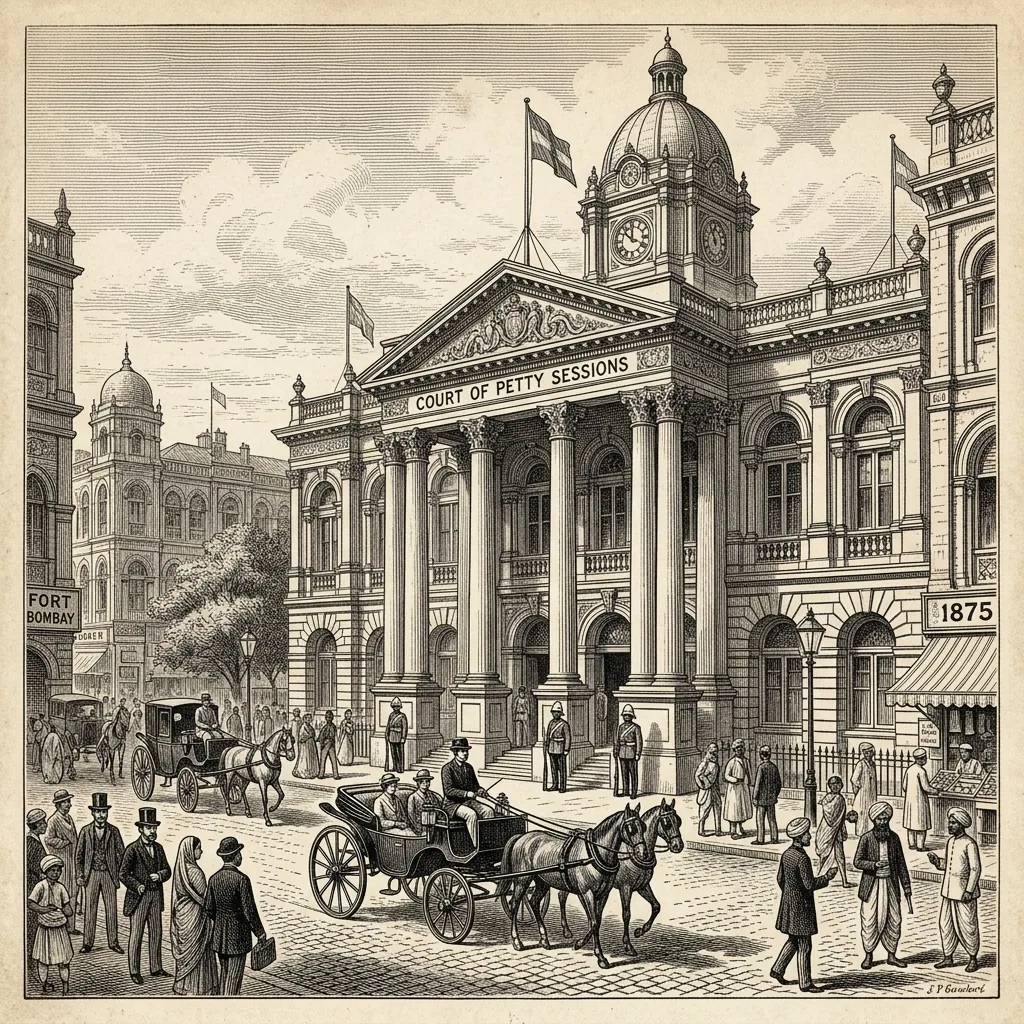
Old Court Of Petty Sessions, Fort

OLD COURT OF PETTY SESSIONS, FORT
Historic judicial seat of Bombay presidency J.P. courts

PIONEER OF SELF-GOVERNANCE ✓ Verified Research

To break the absolute white monopoly on Bombay’s courts, Nana launched a relentless six-year campaign lobbying the British Parliament for native rights. His persistence secured the right for Indians to serve on Grand Juries in 1828 and made him the first Indian Justice of the Peace in 1834.

First in History First Indian Justice of the Peace - It took a relentless 6-year lobbying campaign to break the European monopoly on Bombay's courts. When it finally broke, Nana's name was first on the list of Indian JPs, in 1834.
— Indian Lawyers —

SAVED INDIAN PRACTICE

Securing fee protection and legal recognition for the first native advocates

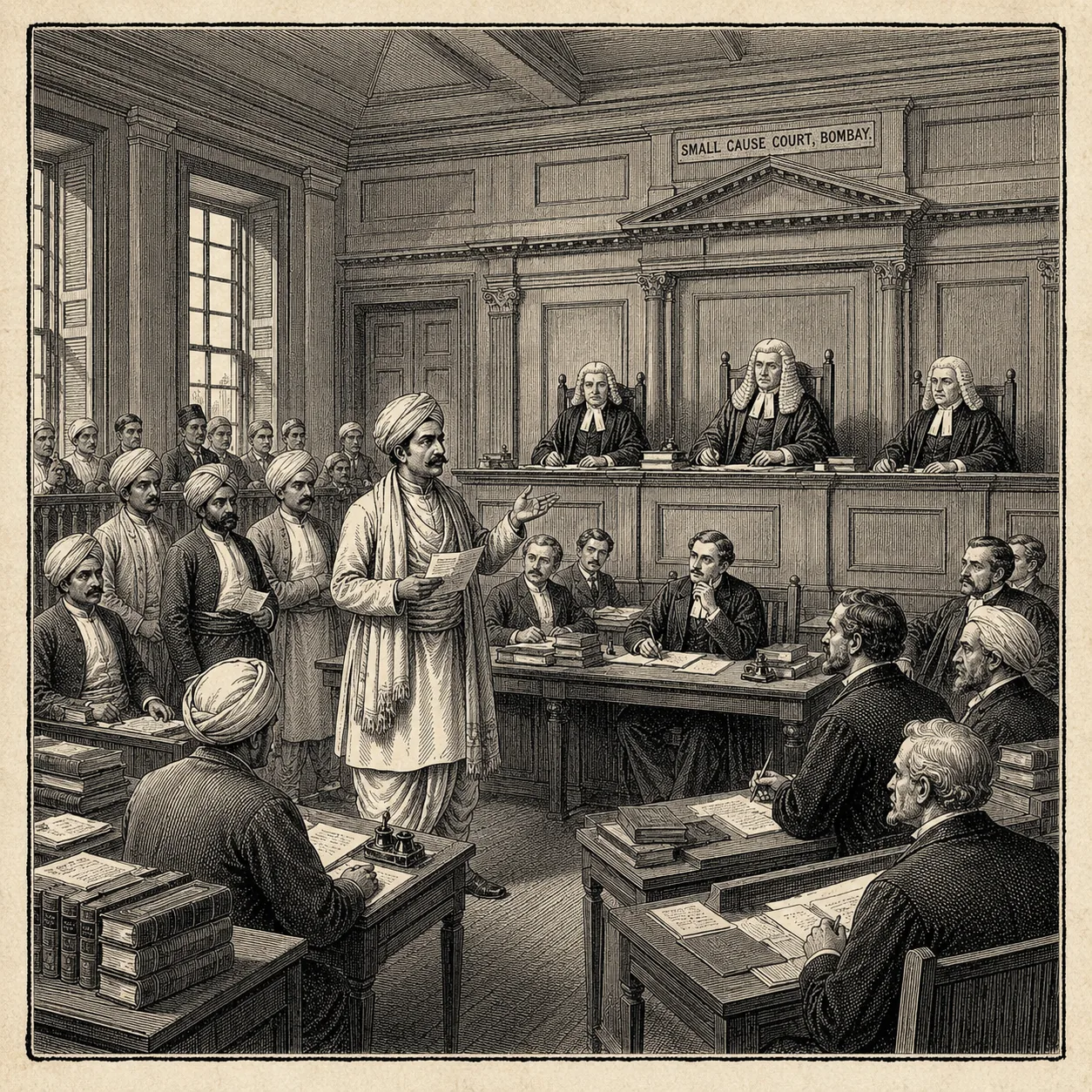
Small Cause Court Of Bombay

SMALL CAUSE COURT OF BOMBAY
Archival photos of early Indian advocates

DEFENDER OF ADVOCATES ✓ Verified Research

When the European legal elite introduced a bill in 1862 to ban native advocates from practicing in the Small Cause Court, Nana countered with data from Calcutta to expose their anti-competition trap. Through sharp legislative maneuvering, he forced the council to protect the rights of the first generation of Indian lawyers.

Still Standing From Nana's Fight to Gandhi's First Case - The Small Cause Court in Mumbai that Nana fought to keep open for Indian lawyers in 1862 is the same court where Mahatma Gandhi made his debut as a lawyer. It still hears cases today.
— Communal Harmony —

DWARKA AND BHIWANDI

Intervening in regional religious conflicts to restore peace and consecrate shrines

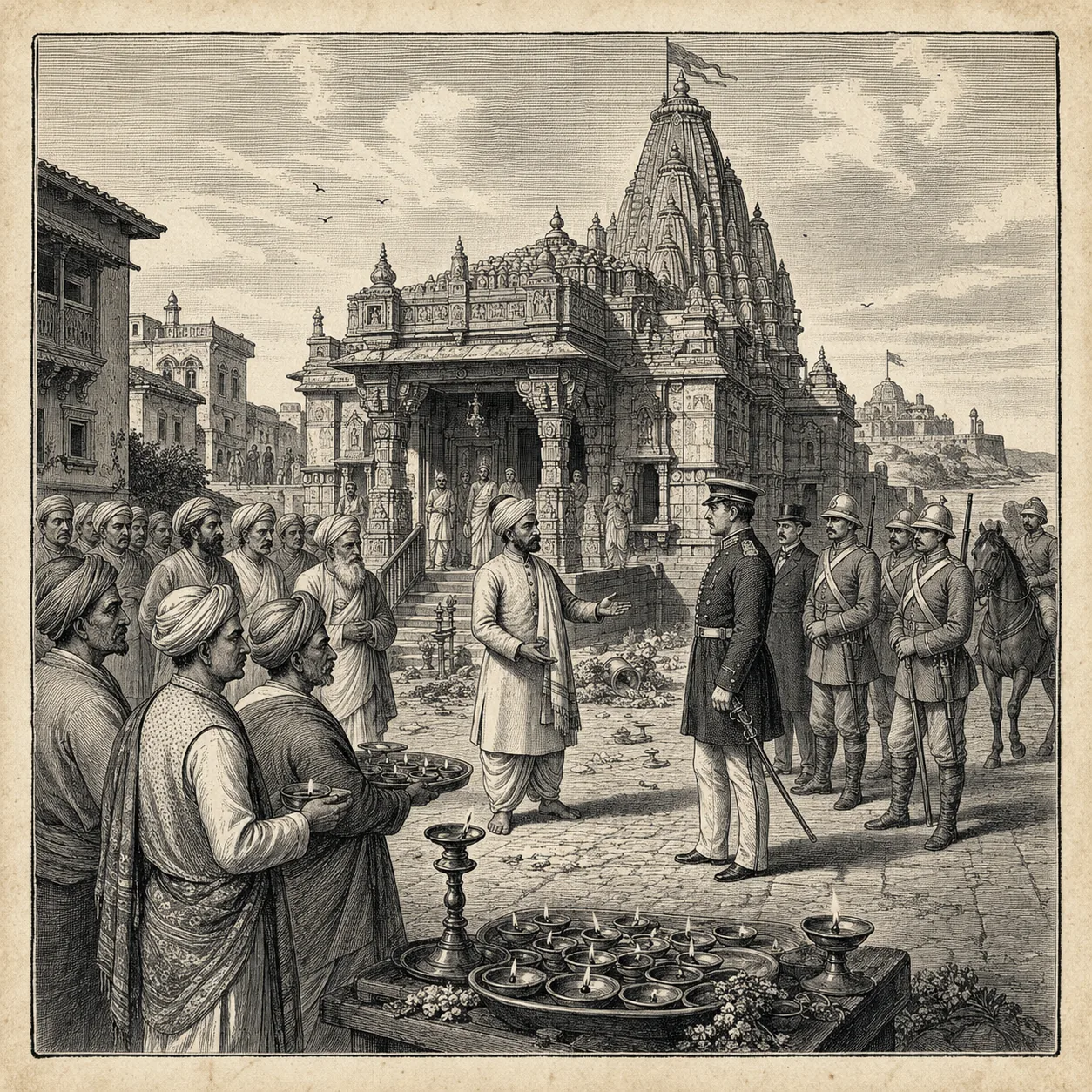
Dwarkadhish Temple, Gujarat

DWARKADHISH TEMPLE, GUJARAT
A sacred pilgrimage site that sparked the Diwali merchants boycott

REGIONAL MEDIATOR ✓ Verified Research

When British troops desecrated the sacred Dwarkanath temple in Gujarat, prompting a retaliatory Diwali boycott by Mumbai's merchant class, the Governor turned to Nana to mediate. By securing a formal British guarantee of compensation and pacifying the merchants, Nana single-handedly restored the festival of lights to the city.

Against the Odds When the Governor Needed Help, He Called Nana - After British troops desecrated the Dwarkanath temple, the Governor's own administration couldn't restore peace. He turned to Nana. Mumbai got its Diwali back.
— Missionary Textbooks —

SECULAR SCHOOLING

Banning proselytizing schoolbooks to preserve state educational neutrality

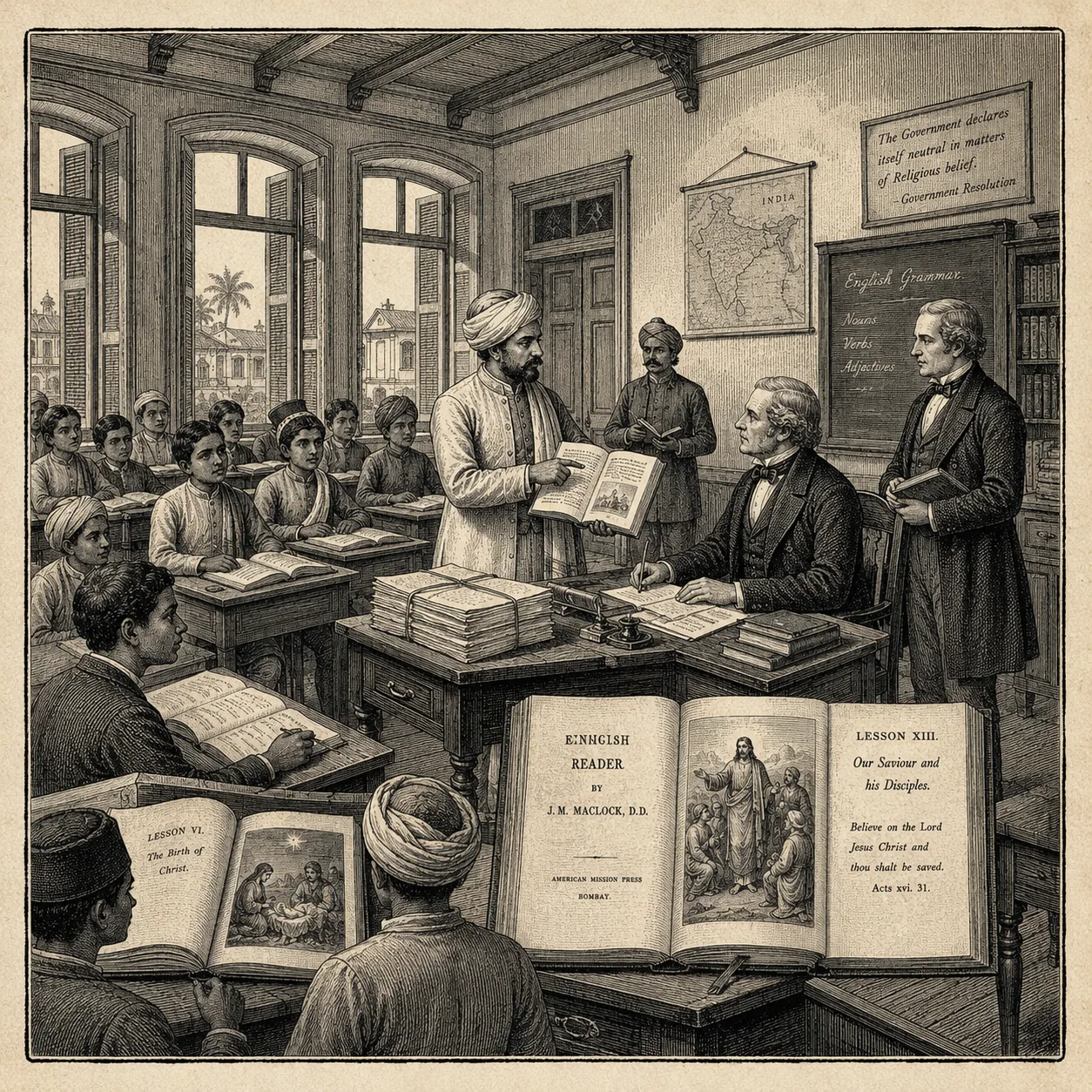
Elphinstone Institution Classroom

ELPHINSTONE INSTITUTION CLASSROOM
Archival 19th-century public school view

ADVOCATE FOR SECULAR LEARNING ✓ Verified Research

When Christian missionaries introduced textbooks designed to subtly convert public school children to Christianity, Nana personally audited the lessons and gathered over a thousand citizen signatures. His aggressive campaign forced the British administration to ban the books, securing the foundation of secular state education in India.

First in History India's First Secular School Campaign - When missionary books appeared in Mumbai's government schools, Nana audited the texts himself, gathered 1,000+ signatures, and forced a ban, years before any colonial policy required it.